
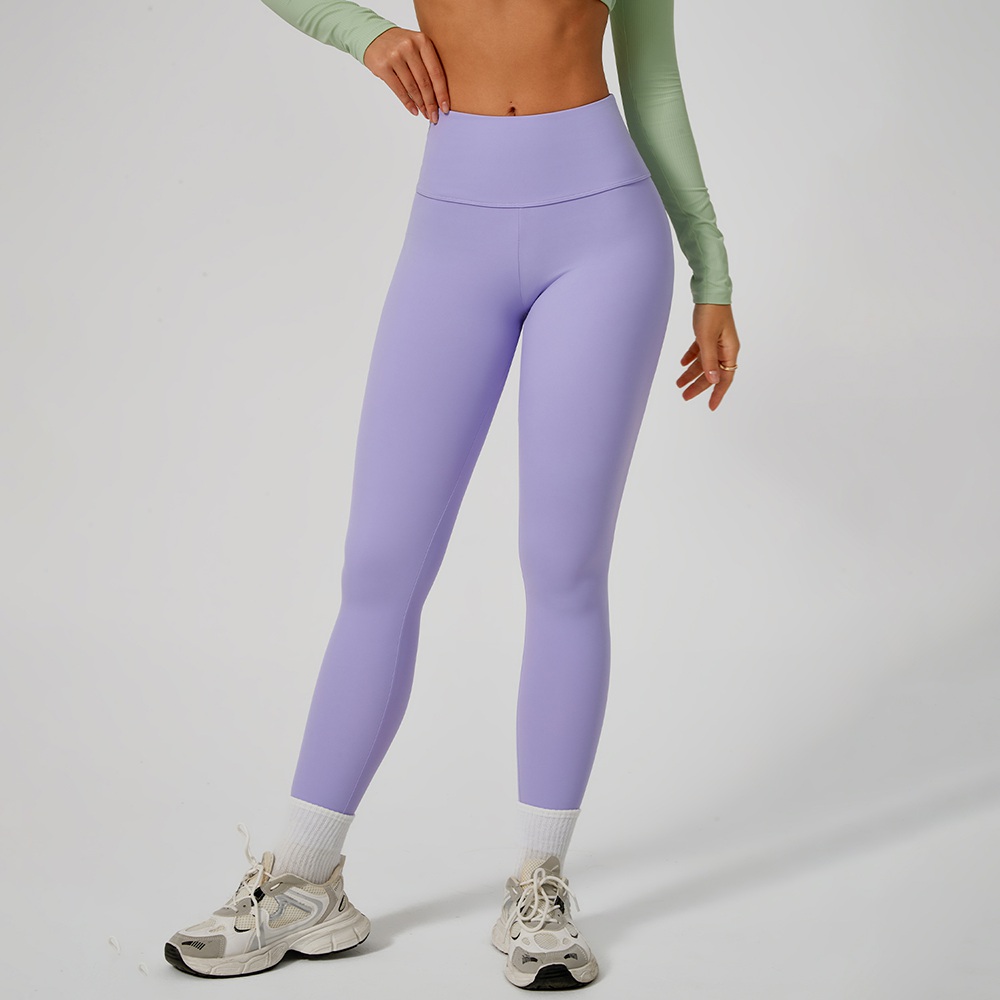
Yoga Leggings RFQs: Define the Pocket Request
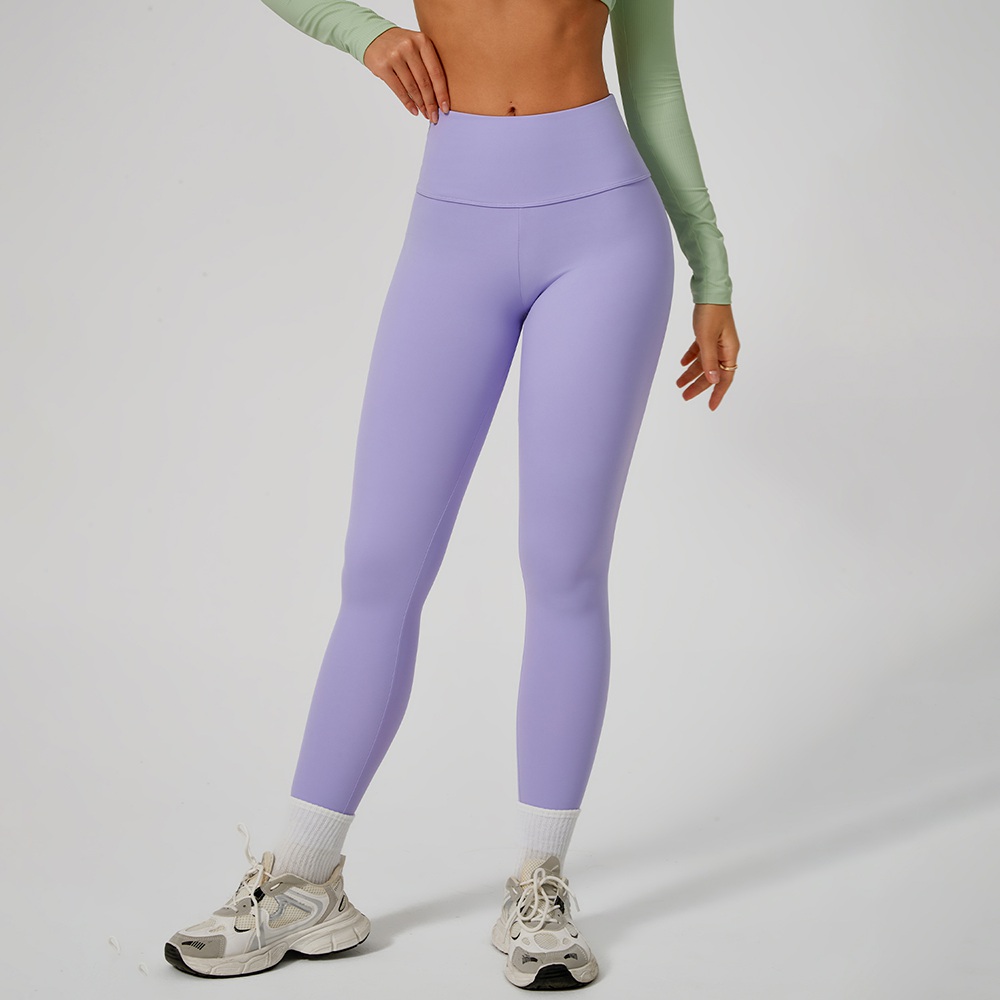
Specify a leggings pocket by identifying its location, opening and usable internal space on the selected garment. Ask for marked detail views and a sample review rather than inferring those features from a model photograph or product name. Keep the pocket request separate from waistband styling and any unsupported claim about what the pocket can securely hold.
A yoga pants listing can mention pockets while its main images concentrate on the garment silhouette. That leaves an importer with an important sourcing question: exactly which pocket is being offered? A bulk order RFQ for yoga pants should make the opening, location and intended review method visible before the sample is accepted.
Identify the exact proposed pocket arrangement
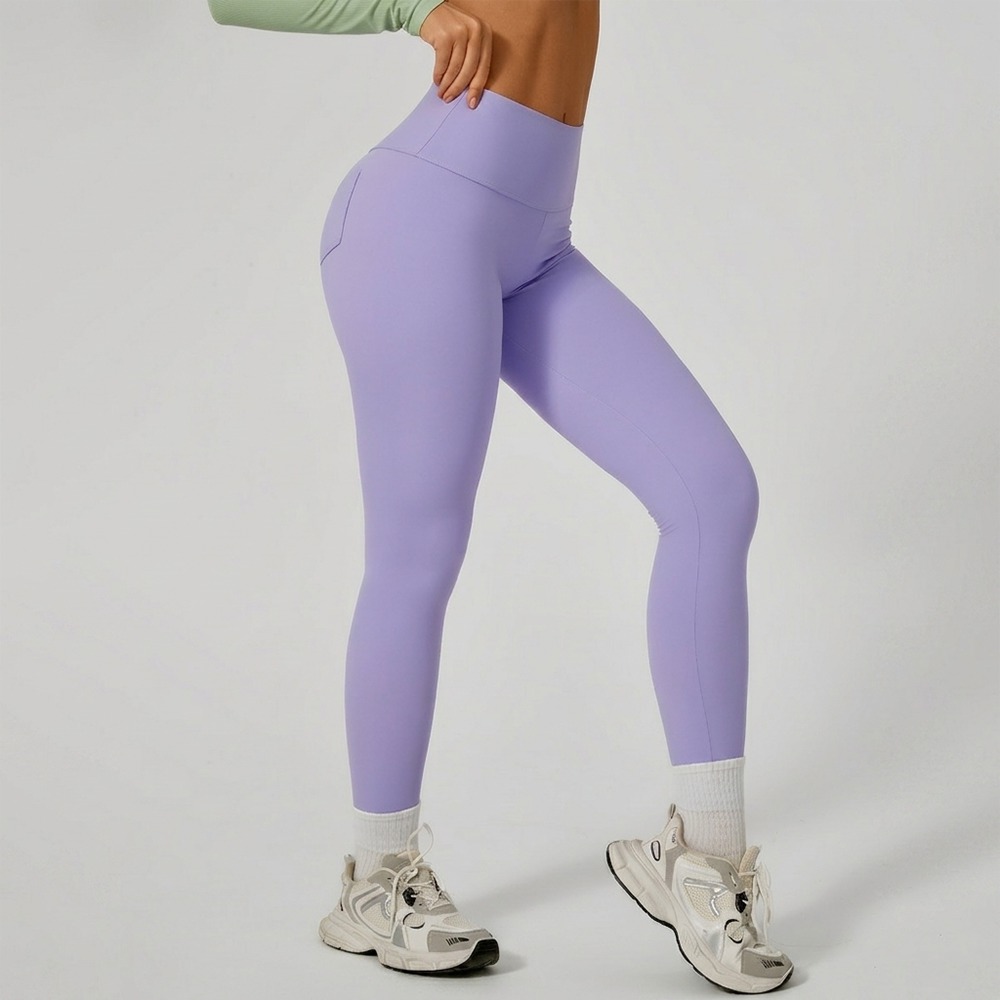
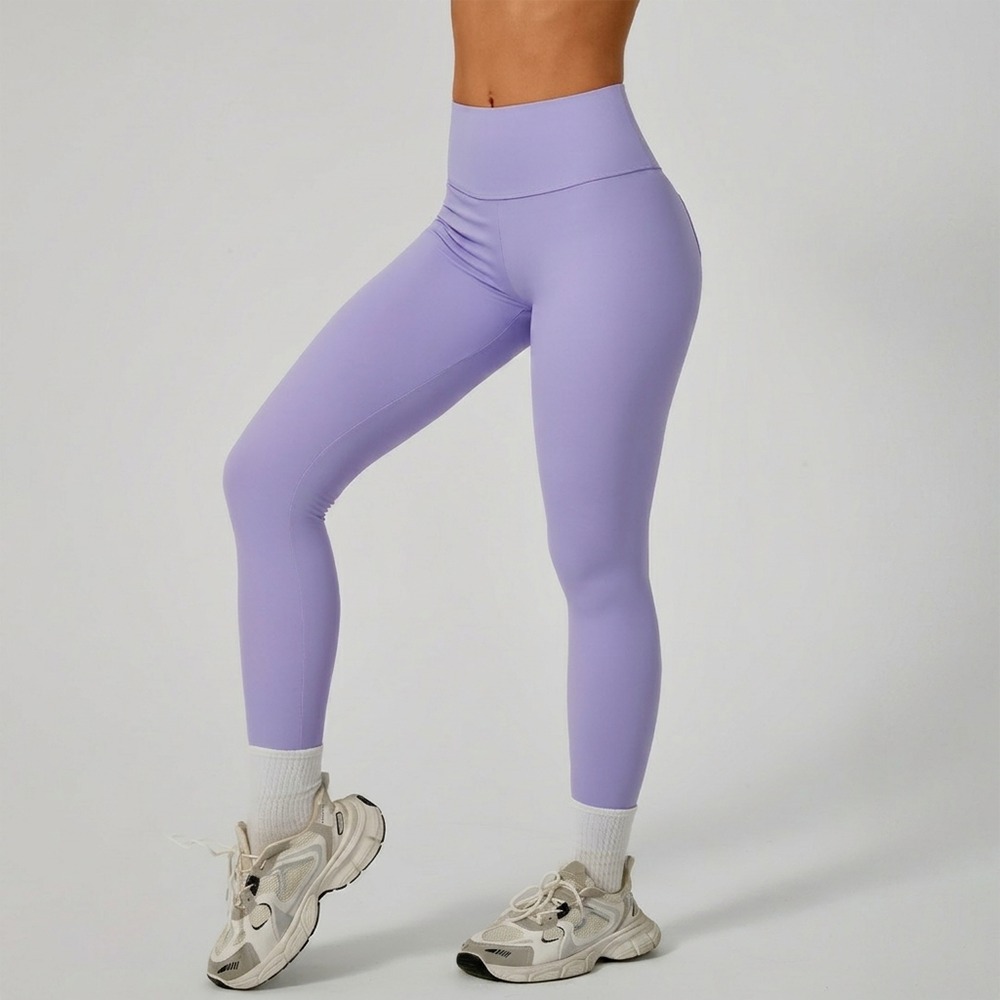
Zherun lists a leggings reference described with pockets. Retain that product link and ask the supplier to identify the actual pocket arrangement for the offered version. The catalogue photographs in this guide show the garment from different poses, but they do not clearly document every pocket opening or its internal construction.
Record the intended pocket location on a marked garment view. State whether the request concerns one side, both sides or another identified area, then ask the supplier to confirm what is proposed. Do not turn a general product title into a promise that every possible arrangement is available on the selected garment.
- Selected garment and sample size
- Marked pocket location and opening
- Separate usable-space request
- Detail views and unresolved evidence fields
Define the opening before asking for capacity
Name the endpoints used to describe the pocket opening and show where the measurement is taken. If access is important to the buyer, ask for a view of the actual opening on the sample. A visible seam line can be a useful discussion point, but it should not automatically be identified as a pocket entrance.
Keep the requested opening dimensions separate from the internal space. An opening can be narrower than the pocket area behind it, so one value cannot answer both questions. Ask the supplier to return a marked proposal using the same field names, with units and any unanswered construction question left visible.
| Pocket field | Definition to request | Evidence needed |
|---|---|---|
| Location | Named garment area and side | Marked view of the sample |
| Opening | Endpoints and measurement direction | Close view with units |
| Usable space | Agreed internal reference points | Sample construction review |
Describe usable space without inventing a holding claim
If the buyer has an intended item in mind, identify its relevant dimensions and explain the purpose of the review. Ask how the supplier proposes to assess the fit on the selected sample. Do not use a generic phone description as a complete specification when actual objects can differ in shape and size.
Keep a fit observation separate from retention or security claims. A photograph of a garment, or even an item placed inside a pocket, does not establish how it will behave in every activity. Request whatever evidence the buyer needs for the intended retail statement rather than presenting an unperformed test as an established feature.
Review the pocket with the garment reference intact
Link each pocket comment to the sample size and garment revision. Ask the supplier to identify the opening, pocket area and the relevant joins on the same sample. If the pocket proposal changes, retain the revised drawing instead of mixing a new detail photograph with an earlier approved garment specification.
Review the outside appearance and the internal construction as separate subjects. The visible silhouette can be acceptable while the buyer still needs more information about the pocket. Record that partial decision clearly; accepting the colour or waistband appearance should not silently close an unresolved pocket construction request.
Return the RFQ with open fields preserved
Use one row per pocket configuration in the enquiry. Attach the product reference, marked location, opening definition, usable-space request and sample evidence needed. Ask the supplier to identify any proposed alternative explicitly. This makes the response easier to compare than a short message asking only whether the leggings have pockets.
For a later size or revised garment, ask whether the same pocket drawing still applies. Retain the confirmed specification with the approved sample reference. This article addresses pocket definition, while Zherun’s shorts knit comparison covers a different construction decision; neither replaces the evidence needed for a pocket claim.
Frequently Asked Questions
Does a product title establish every pocket detail?
No. Use it to identify the offer, then ask for the actual arrangement, opening and internal construction of the proposed garment version.
Can a seam line be treated as a pocket opening?
Confirm it with the supplier. A garment photograph can show several construction lines without explaining which one provides access to the pocket.
Is a phone model a complete capacity specification?
Identify the actual object dimensions and the intended review. Keep fit inside the pocket separate from claims about retention during activity or suitability for every object.
What should remain open after a silhouette approval?
Any pocket field that has not been reviewed should stay visible. Acceptance of the colour, waistband or outside appearance does not automatically approve the internal pocket arrangement.
Review the Zherun product catalogue and buyer blog for related construction references. Send the selected leggings, marked pocket request and required sample views through Zherun contact before confirming the RFQ.