
Approve bodysuit care text by linking the supplier’s exact proposed wording to the offered garment and an identified document revision. Keep that wording separate from buyer comments, unresolved questions and any later translation. A product photograph or a general fabric description cannot establish the correct instructions. The practical buying deliverable is a traceable text approval record, not a washing recipe or a promise that the garment meets an unspecified labelling requirement.
Start with the exact garment reference
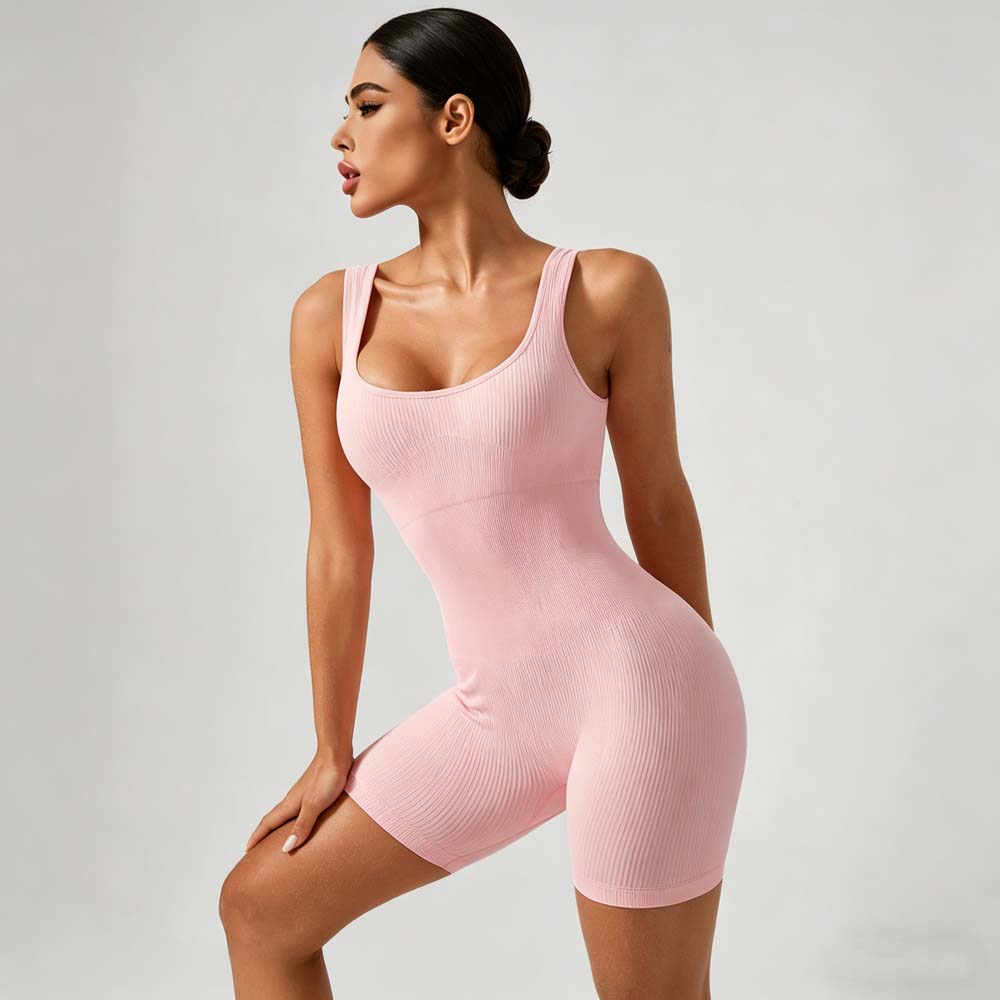
ZR Knitwear’s catalogue page names a Seamless Ribbed Workout Bodysuit in a short length. Its square neckline and wide straps identify the particular catalogue reference used here. Those descriptions do not verify a fibre composition, shrinkage result or appropriate care process. The selected front photograph identifies the style; it does not display a readable care label. Ask the supplier to connect its proposed text to the exact offered sample rather than borrowing wording from a visually similar garment.
For a retailer ordering several one-piece styles, the first question is often which document belongs to which offer. A supplier may send an image, a spreadsheet cell and a message containing similar wording. Record their identities separately. Do not combine fragments into a seemingly approved final instruction. If the source of one sentence is unclear, leave it pending and request a complete proposed version with a clear reference.
Separate proposed text from the approval decision
A useful record contains the literal supplier proposal, the buyer’s decision and the reason for any requested change in different fields. Copying a buyer suggestion into the supplier column can make an unconfirmed request appear to be the supplier’s recommendation. Conversely, a supplier proposal remains a proposal until the responsible buyer has reviewed its intended use and scope. An empty approval field means the decision is open; it does not mean that the wording is acceptable by default.
Keep the actual text intact while questions are being resolved. Preserve its punctuation, symbols and language in the proposal field. Put questions beside it instead of silently editing the sentence. This allows the supplier to identify which version it supplied and which changes the buyer requested. It also prevents a shortened screenshot or a chat paraphrase from becoming the only surviving evidence.
Choose a comparison record that exposes uncertainty
Record field | Supplier response to request | Buyer decision field
Exact offer reference | Style and sample identifier covered by the text | Confirm the intended garment
Literal proposed wording | Complete text or an identified original file | Accept, question or await clarification
Document revision | File name and stated revision reference | Select the review version
Language scope | Language actually supplied and any separate requested version | Keep each version’s decision distinct
Unresolved basis | Explanation or evidence the supplier can provide | Record the open question without inventing a result
This table compares evidence and decisions rather than different care methods. It intentionally contains no temperature, drying setting or treatment recommendation. Those values cannot be derived from the catalogue photograph. If the supplier sends a proposed label, preserve it as supplier-provided content and ask which exact sample it covers. Do not infer that another colour or construction uses the same wording.
Link the text to a reviewable specimen
Ask whether the supplier can identify a physical sample or a clear label proof corresponding to the proposal. That is a request for a reference, not an assumption that printed labels, proofs or a translation service are included. A buyer can record a supplied proof’s file identifier and the garment reference it names. If no proof is supplied, the text can remain under review without claiming that the physical label has been checked.
The relationship should remain understandable after a file is renamed locally. Keep the supplier’s original file name in one field and any buyer tracking name in another. A decision such as “approved text in file B” is weak when several files have that name. Referring to the exact received file and its stated revision makes later clarification more focused, even when the supplier uses a different naming convention.
Keep language changes visible
If a buyer needs another language, ask which party is providing that version and how it relates to the supplied original. Do not describe a translation as verified merely because both versions fit on the same artwork. Record the translator or reviewer reference when one is actually provided, and leave it unavailable otherwise. This purchasing workflow does not determine the legal adequacy of a label or replace the buyer’s own destination-market review.
Likewise, do not replace wording with a familiar symbol and assume the meaning is unchanged. A supplier should confirm the proposed final text and artwork it is offering. The buyer’s file can keep a separate note explaining the requested change. That division preserves accountability without pretending that the catalogue page proves a care process or that a requested printing service exists.
Close the text decision without expanding its scope
Before recording a final decision, check that the offer reference, literal wording and reviewed revision are all explicit. Keep any exclusions beside the decision. Acceptance of one text file does not establish colourfastness, shrinkage, garment durability or stock availability. It also does not approve every other style in the order. When an offer changes, ask whether the supplier’s proposed wording still refers to the revised article and record the answer.
The completed record should help a colleague reconstruct what was supplied and what remains unanswered without reading an entire conversation. A concise approval note can identify the selected proposal and list the questions still open. It should not turn an undocumented supplier statement into a test result. Where the care basis is unknown, retaining that unknown is more useful than filling the gap with a generic instruction.
Frequently asked questions
Can the front product photo establish the correct care text?
No. The reused official image identifies the catalogue bodysuit and its visible form. It does not show a readable care label or establish an appropriate washing, drying or ironing method. Request the supplier’s exact proposed wording for the offered article.
Is this the same approval as matching size codes?
No. Size-code mapping links order lines to literal size identifiers. This record concerns the complete proposed care text and its version. Keep the two decisions separate even when both references appear on one label proof.
What if the supplier sends only a short message?
Preserve the message as received, identify its sender and offer scope where available, and ask for the complete proposal. Do not expand a brief message into detailed instructions or mark an unseen physical label as reviewed.
Does approving wording prove product performance or compliance?
No. A text decision records the buyer’s disposition of an identified proposal. It does not establish testing, verified composition, safe use, regulatory acceptance or performance. Evidence and any specialist review remain separate matters.
Use the exact catalogue reference and contact the supplier
The product page is the starting reference for the short bodysuit’s identity. Send a request through the supplier contact channel with the offer identifier and a blank text-approval record. The blog is a separate source of catalogue discussion, not proof of the final label proposed for an order.
https://zrknitwear.com/product/seamless-ribbed-workout-bodysuit-short-length/
https://zrknitwear.com/contact/
https://zrknitwear.com/blog/