
Yoga Bodysuit RFQs: Define Torso Measurements
Define a yoga bodysuit torso measurement by naming its upper and lower reference points and the path between them on the selected garment. Agree whether the value is taken flat or under another stated condition. Keep front and back references distinguishable, because a body measurement, a separate top length and a one-piece garment measurement are not interchangeable.
A buyer may receive a bodysuit size chart that lists familiar numbers without explaining how the torso was measured. That makes supplier comparisons difficult even when the garments look similar. For wholesale yoga bodysuit RFQs, the useful specification is a repeatable measurement definition tied to the actual one-piece construction.
Distinguish the body from the garment measurement
Start by asking what each requested field describes. A body measurement and a finished-garment measurement answer different questions, so give them separate labels. Do not copy a customer body value directly into a garment specification without asking the supplier how the proposed fit and measurement method are intended to relate.
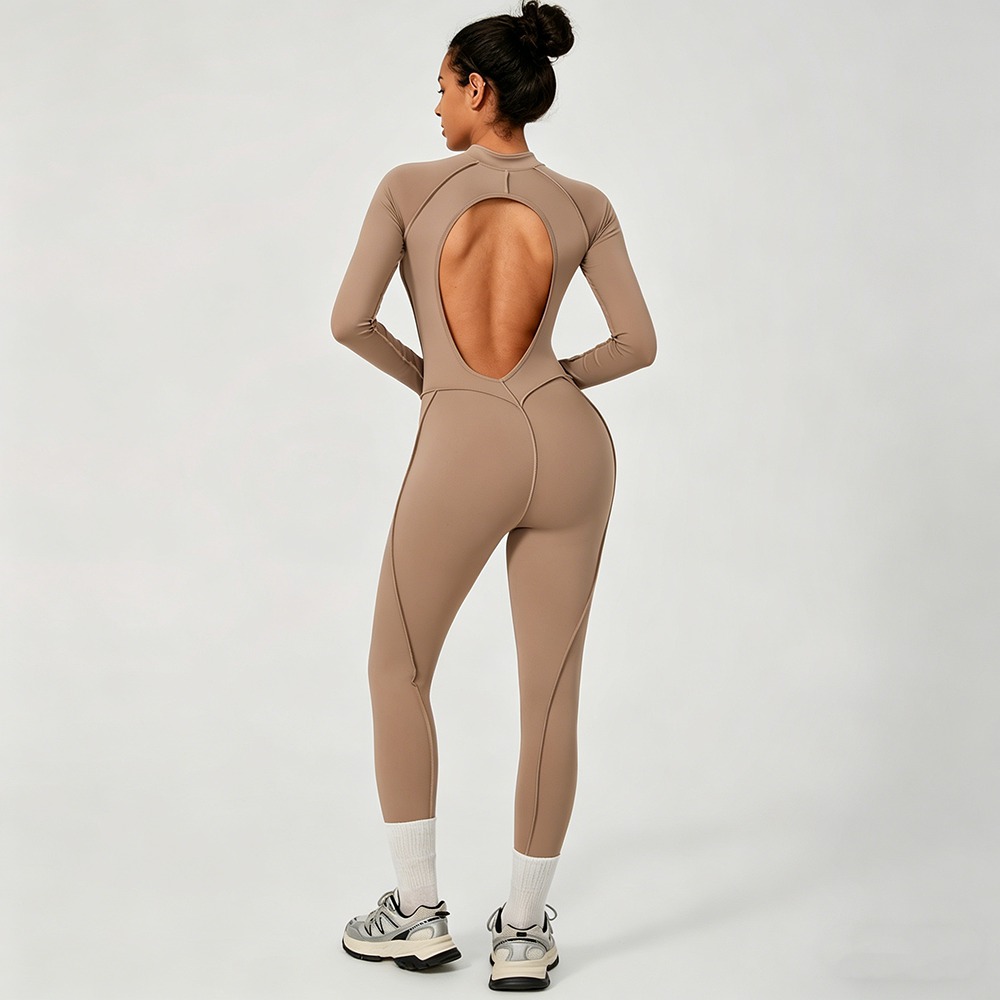
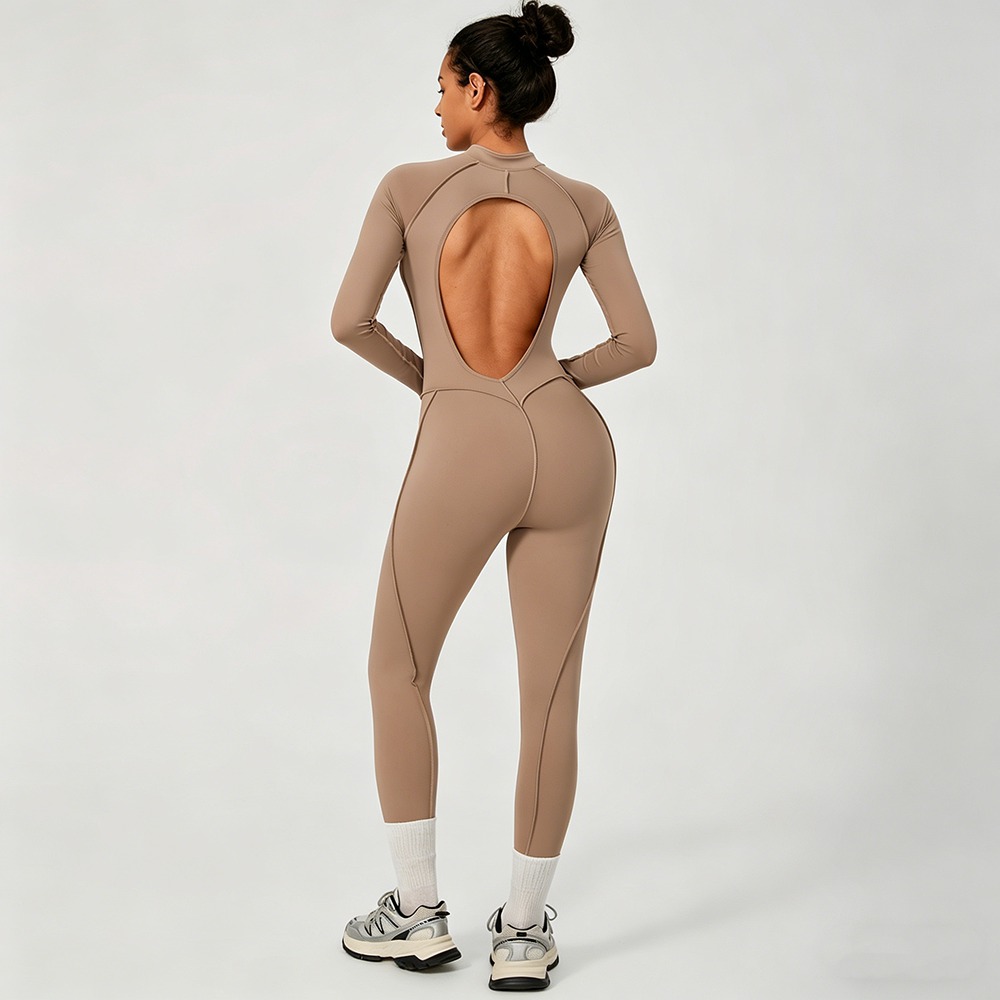
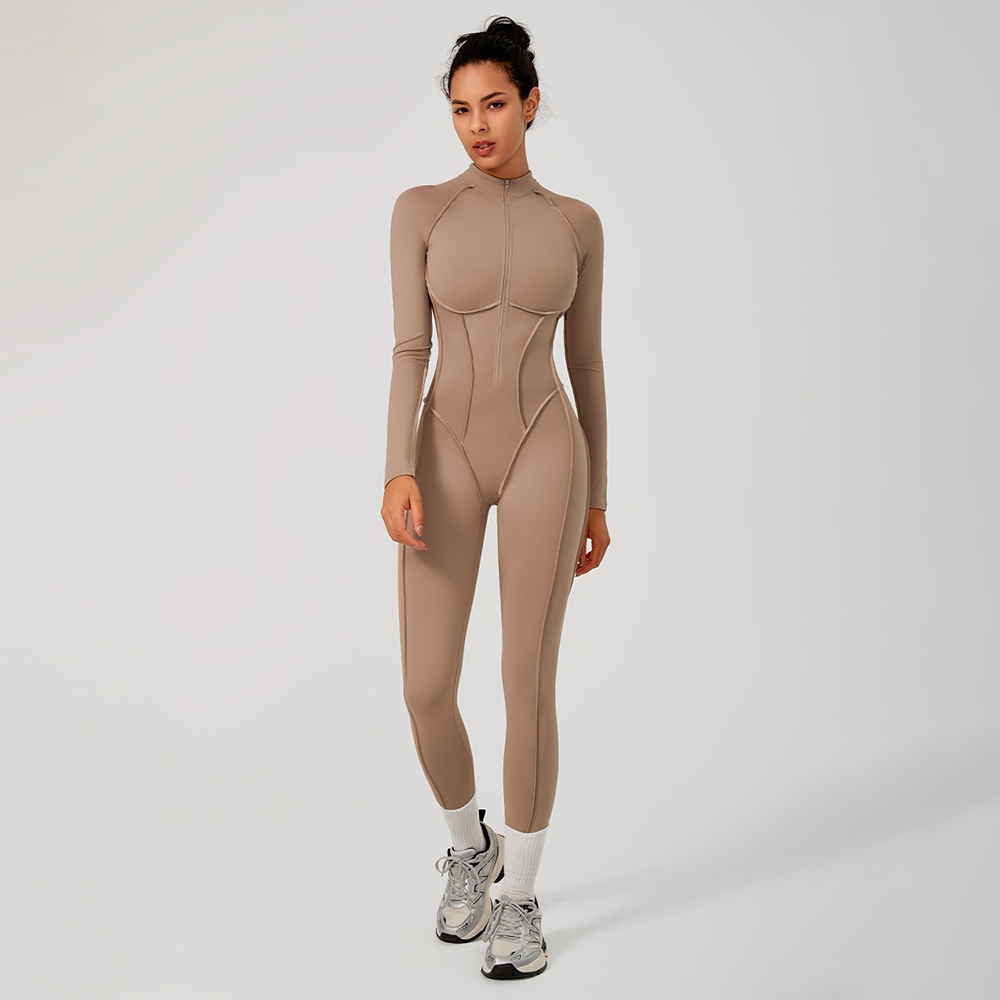
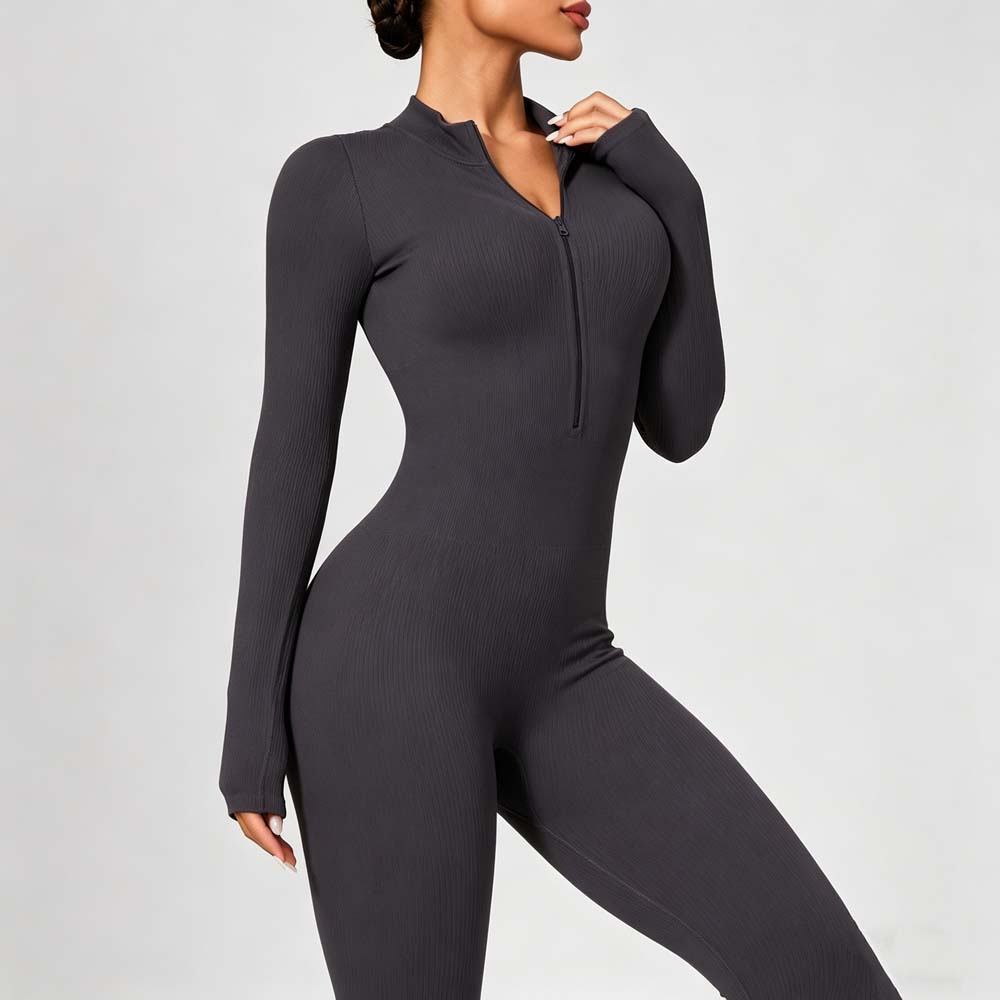
Identify the selected reference, sample size and revision beside the chart. Zherun lists a backless half zip jumpsuit and a stand collar zip jumpsuit. Their visible constructions differ, so an unexplained torso value should not be assumed to apply to both garments in the same way.
- Body or finished-garment field clearly named
- Marked upper and lower reference points
- Agreed front or back measurement path
- Sample condition, unit and chart revision
Mark the upper reference point explicitly
Ask the supplier to mark the upper point used for the requested measurement on a garment drawing. Clarify whether it is a named shoulder point, neckline reference or another agreed feature. A label such as body length can remain ambiguous when the buyer and supplier start from different points.
Keep the collar and closure condition visible where they affect the proposed reference. The catalogue images show a front opening and different back constructions, but they do not supply a measurement drawing. Use the images to identify questions rather than estimating dimensions from the model pose or the visible zipper length.
| Field | Definition needed | Keep separate |
|---|---|---|
| Upper point | Named garment reference | Collar or styling description |
| Torso path | Front/back route and lower endpoint | Separate top length |
| Measurement condition | How the sample is positioned | On-model visual appearance |
Define the lower point and measurement path
Identify the lower point used for the torso field and mark the exact path to it. If the proposed method follows a garment contour, distinguish that from a straight measurement between points. Ask the supplier to show the definition clearly enough that a second reviewer could repeat it on the same sample.
Where front and back lengths are requested, give them different field names and drawings as needed. A back cutout can make a centre reference less obvious, so ask how the selected construction is handled. Do not invent a universal path that ignores the differences between the two one-piece references.
Record the condition used for the actual sample
Agree how the garment is positioned for measurement and whether it is relaxed or under a stated condition. Keep the unit and method beside the returned value. A number without that context can appear to conflict with another sample even when the reviewers have simply used different methods.
Ask for marked sample evidence when a value needs clarification. An on-model image can show the garment design but cannot establish a flat dimension, extension level or fit guarantee. Keep any size-chart adjustment tied to the measurement definition instead of inferring an allowance from how closely the photographed garment follows the model.
Keep the revised chart attached to the accepted version
Request the supplier response in the same field structure as the RFQ, including any proposed changes and unanswered definitions. Review the chart with the identified sample before accepting it. For separate garments, the yoga top construction guide addresses a different task; a top length does not define the entire torso path of a one-piece garment.
Retain the agreed drawing, measurement condition and chart revision with the order reference. Ask whether a changed neckline, back opening or garment construction requires another measurement review. This specification describes the accepted method and values; it does not prove compression level, stretch recovery, comfort for all wearers or another unsupported performance claim.
Frequently Asked Questions
Can a separate top length define a bodysuit torso?
No. A one-piece garment needs an agreed path between its named upper and lower references. The top measurement can describe another field but should not silently replace that definition.
Why mark front and back paths separately?
They may use different references, particularly when the back construction includes a cutout. Ask how the supplier defines each requested field on the selected sample.
Can a model photograph establish the dimensions?
Use it to identify the design and questions. It does not provide a scaled measurement or establish the condition under which a finished garment value was taken.
What changes require another measurement review?
Ask when a neckline, back opening or other construction change affects the agreed reference points or path. Retain the revised method and chart with the newly accepted garment version.
Review the Zherun one-piece range and buyer blog alongside the selected sample. Send the marked torso references and unresolved chart fields through Zherun contact to make the RFQ repeatable.